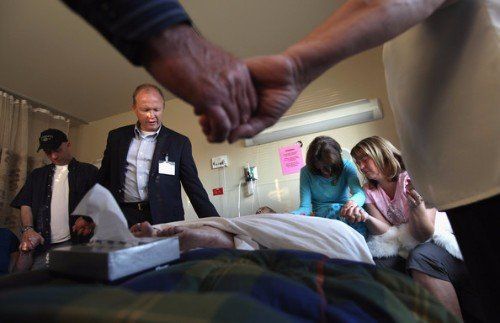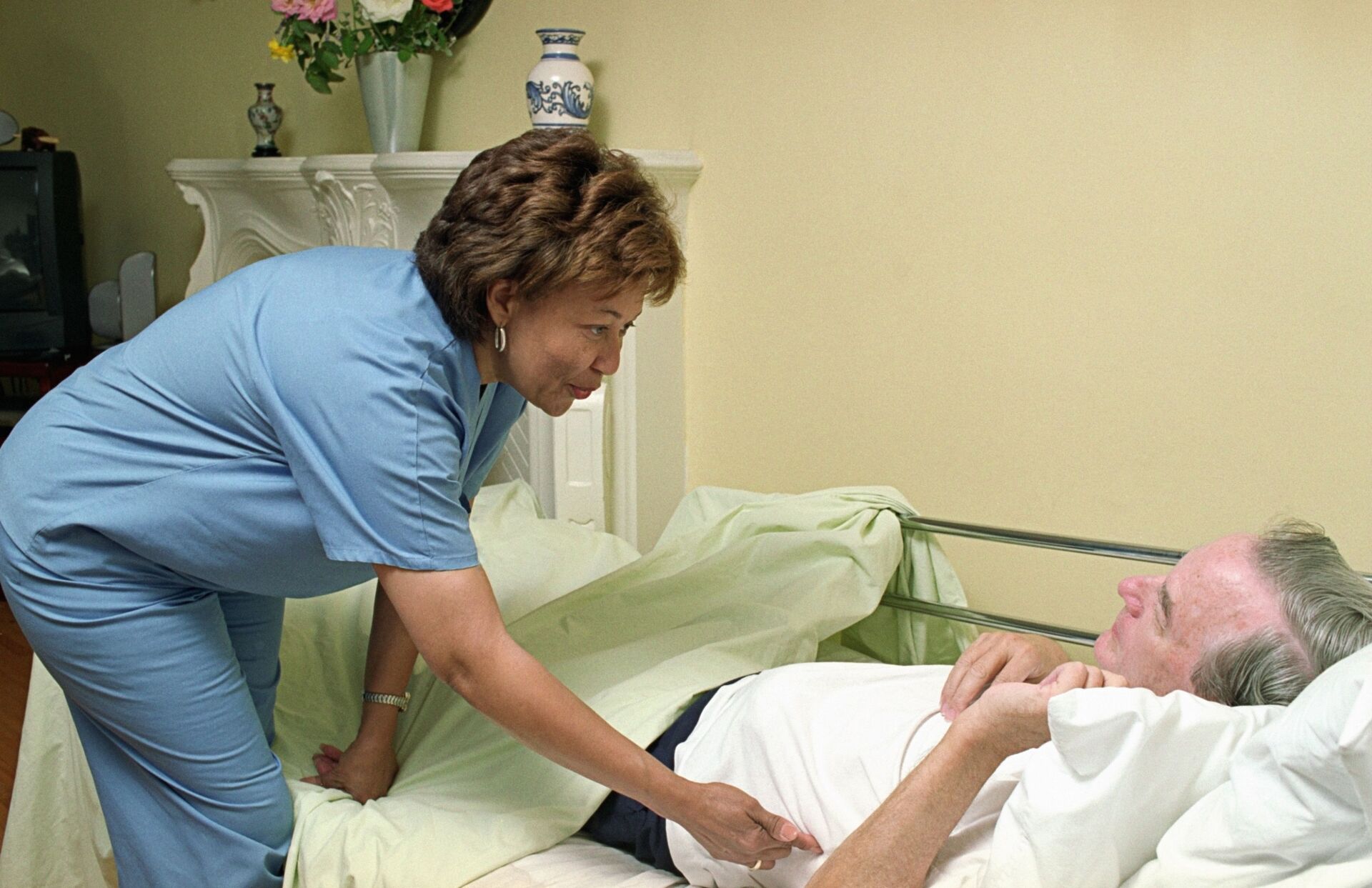
Presence matters, especially in the hospital.
It helps cure Hospital Delirium.
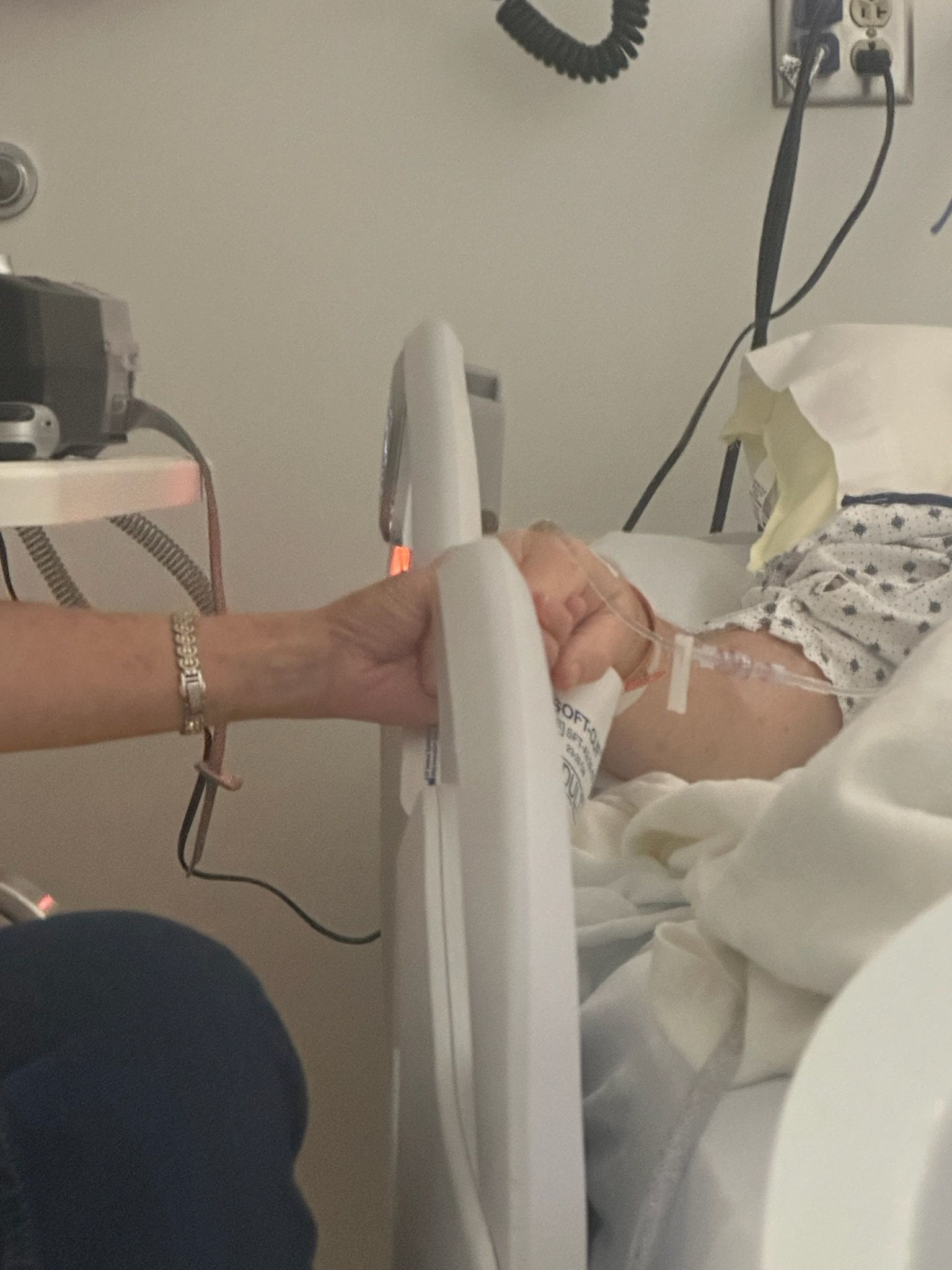
I'm comfortable making hospital visits. But as a patient after a cancer surgery lasting over eight hours, I had never been so uncomfortable in the hospital.
There was a name for my discomfort. Hospital Delirium.
My wife thought I had a stroke. I had a vacant expression. I answered, "I don't know," to almost every question. While I knew I had surgery, my clinical hospital room environment, with strangers taking care of me, a roommate who was sicker than I was and not even a window view to the outside to know if it was day or night, had me completely disoriented. That was a problem in addition to the reason I was there in the first place.
Even though I managed to get oriented over the span of a few days, that horrible feeling lingered. I had the "blues" for weeks, I could not sleep well, and, even now, at four and a half months after surgery, the memories of those days can stir uncomfortable, anxious feelings of being in the hospital.
What actually is Hospital Delirium?
Hospital delirium is a sudden change in a patient’s mental state that can happen during a hospital stay, especially for older adults or those who are very sick. It can look like:
- Confusion or disorientation
- Not knowing where they are
- Trouble focusing or following conversations
- Sudden agitation or restlessness
- Seeing or hearing things that aren't there
- Extreme sleepiness or withdrawn behavior
- It often comes on quickly—within hours or days—and can fluctuate throughout the day.
Why does it happen?
Hospital delirium isn’t one single cause but a reaction of the brain to stress, illness, medications, or the hospital environment, such as:
- Infection
- Pain
- Lack of sleep
- Certain medications (especially sedatives)
- Anesthesia
- Dehydration
- Being in an unfamiliar place
- Surgery, especially orthopedic or major abdominal procedures
Why is it important?
It’s extremely common but often overlooked.
Delirium can:
- Slow down recovery
- Increase the risk of falls
- Cause fear or distress for families
- Occasionally lead to long-term cognitive decline if not addressed
It is usually treatable with the right attention.
I've made thousands of hospital visits, but after my experience, I will be more intentional with every visit. Especially here at Christmas and during the holiday season, people do NOT want to be in the hospital. Offering your presence matters more than you can imagine. It helps them get their bearings, find comfort in the familiar, gain some strength and work on their recovery. This is true in hospitals, skilled nursing facilities, memory care facilities, and inpatient hospice facilities.
As one who provides care by visiting in the hospital, join me in being attentive to these 11 best practices for visiting in the hospital and helping someone who, in addition to why they are there, is suffering from Hospital Delirium.
1. Prepare Your Heart Before You Enter
- Pray for a gentle spirit, patience, and the ability to meet the person where they are.
- Remind yourself: This is not who they are; this is what they are going through.
- Your goal is reassurance, not correction.
2. Enter Slowly and Re-Introduce Yourself
People with HD may not remember you—even if you visited the day before.
- Approach calmly.
- Smile softly.
- Say your name and purpose: “Hi John, it’s Pastor Dan. I’m here to be with you and support you.”
This anchors them without pressuring them to “remember.”
3. Match Their Reality—Don’t Argue With It
If they say something that isn’t true (“There are animals in the corner,” “I need to go home now,” “Someone stole my clothes”), avoid challenging or correcting.
Instead:
- Acknowledge the feeling.
“That sounds upsetting. You’re safe here. I’m with you.” - Redirect gently.
“Let’s take a moment and breathe together.”
Your calm tone is more healing than the accuracy of the facts.
4. Offer Presence Before Words
Hospital Delirium scrambles the mind, but presence reaches the heart.
- Sit at eye level.
- Keep your voice soft and slow.
- Use short, simple sentences.
- Avoid rapid movements.
Sometimes the ministry of presence is enough.
5. Reduce Stimulation
People with HD can become overwhelmed by noise and activity.
If possible:
- Turn down the TV.
- Close the door slightly.
- Ask staff if lights may be dimmed.
- Remove unnecessary items from the bed.
Your goal is to provide a calm, anchored environment.
6. Reconnect Them to Reality Gently
You can use soft orientation cues:
- Mention the time of day (morning, afternoon—avoid exact times).
- Remind them they are in the hospital for healing.
- Refer to a caring person by name.
Example: “You’re in the hospital today because the doctors are helping your body recover. Your daughter Sarah loves you very much.”
Never quiz them or say, “Do you remember…?”
7. Encourage Family to Bring Familiar Items
This helps reduce confusion:
- A favorite blanket
- Family photos
- A familiar pillow
- Their glasses and hearing aids (VERY important)
These make the room feel safe and “known.”
8. Pray With Simplicity
People with delirium may struggle with complex ideas. Keep prayer short and soothing.
“Lord, bring peace to this room. Calm John’s mind, steady his heart, and surround him with Your healing presence. Amen.”
Tone matters more than content.
9. Stay Brief, Calm, and Positive
Visits should often be
shorter than usual—even 5–10 minutes can be enough.
Signs it’s time to leave:
- Increased restlessness
- Glazed or overwhelmed expression
- Repeated statements of confusion
Close gently: “I’m going to step out now, but you are safe and cared for. God is with you.”
10. Support the Family
Families often feel frightened and helpless.
Help them understand:
- Hospital Delirium is common.
- It is usually temporary and treatable.
- Their loved one is not “declining” or “losing themselves”—their brain is reacting to the stress of illness, medications, or the hospital environment.
Help them know how to support the patient: “Your steady presence comforts them, even if they cannot express it.”
11. After the Visit
- Pray for them once you leave.
- Note any concerns for the medical team.
- Check in with the family—your care for them is just as important.
While you cannot treat the illness, the care your provide in the hospital helps treat the whole patient and that is valuable beyond measure. Your care matters!