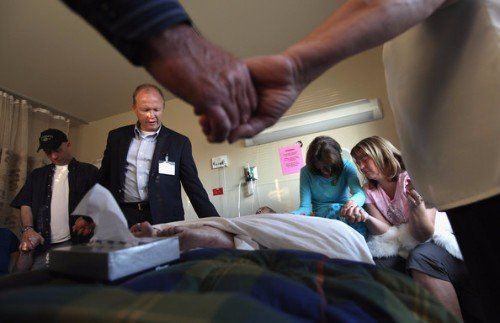
How do we care when someone’s life changes—and they wish it hadn’t?
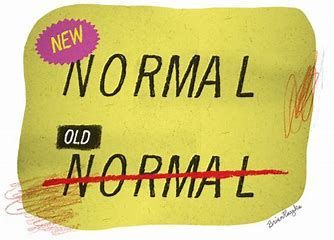
“Sometimes life moves on before we’re ready to go with it. We call that a new normal.
Bringing a baby home from the hospital is a new normal, especially for the first child of the young family. It is a welcome new normal, like a new grade in school, a new job, or a new house. They all have challenges, but the efforts they require promise a desirable reward, so we celebrate these new normals.
We also encounter new normals that are not wanted—and we would give anything to avoid them.
My physical therapist told me recently, “You may have made as much progress as you are going to make.” I’ve summited some of Colorado"s 14,000ft mountains a total of twenty-five times. Now a “fourteener” is the 14 steps from the living room upstairs to the bedroom. A cane is necessary and the limp is permanent. I prefer the old normal!
Since my recurrence of bone cancer and hip surgery, I have three friends whose wives were diagnosed with Alzheimer’s or other forms of memory loss.
One wife also broke her hip. That combined with the memory issues now requires 24/7 care for her. All three couples enjoyed successful, active lives. Their new normal puts that lifestyle at risk.
Another friend, with the same diagnosis, now lives with the fearful memory of his father’s suffering with the same disease. Even the old normal had its share of challenges. The new normal makes life unbearable.
A case with a different illness is a dear friend who has been diagnosed with cancer. At the time of her diagnosis, her husband’s health severely declined requiring her to provide constant care.
She had to surrender her robust life of travel, homemaking and ministry involvement, and downsize to a small apartment in an assisted living facility so she could get the help with the heavy lifting her husband now requires. The new normal was nothing she expected or wanted to face.
These are examles of unwanted new normals. There are many more. And, I didn’t even address the new normal of grief from the loss of a loved one by death or divorce.
It is important to find the best way to care for people when the life we prefer cannot be restored.
It is different than walking with people who are recovering from a sickness or injury with the hopes of getting back to their old selves. We are walking with people who need to find thier way into and through a different and unwanted future.
The National Cancer Institute give us a helpful article, "Adjustment to Cancer—Anxiety and Distress," which helps define the new normal and begin to instruct us how to care for someone in their's. I paraphrased a couple of their insights.
"Adjustment is an ongoing process of managing emotional distress and addressing the problems cancer (or any serious illness) brings. That word ongoing matters: adjusting isn’t a single decision to accept the new normal and move on. Someone may have accepted their new normal yesterday and still need to face the changes again today. "
National Cancer Institute: Adjustment to Cancer—Anxiety and Distress
In other words, accepting it yesterday doesn’t make facing it easy today.
When we offer presence and sit with a person in their new normal, we need to remember that yesterday’s courage doesn’t erase today’s pain. It is good to ask, "What’s hardest about this today?" Then listen, even if you’ve heard the story before. They may need to tell it again—and know I still care.”
There is also grief throughout these stories, even though no one has died.
People are losing abilities, independence, familiar companionship, and the future they expected. Grief comes from any loss.
- Give people room to mourn what has changed. Gratitude for what remains can coexist with sorrow over what is gone.
- Let the person tell you what this new life costs them. The practical difficulty we notice may not be their deepest loss.
- Keep showing up after the crisis becomes everyday life. A meal, a ride, an afternoon of relief for a caregiver, or an unhurried conversation can make that life more bearable.
Care continues as the new normal continues.
Presence, Extreme Listening, and Patiently Persist, each an essential included in the 7 Essentials for Caring that Makes a Difference. We use them all here.
We may not be able to change their new normal, but our presence can become a valued part of it.
Your care matters.